Blockchain Fundamentals: Building Blocks of Decentralization
Explore the core principles of blockchain technology, from hash functions to distributed ledgers, and understand why immutability matters.
Read Article Notechors
Educational platform explaining how decentralized technologies and digital networks function in the modern world
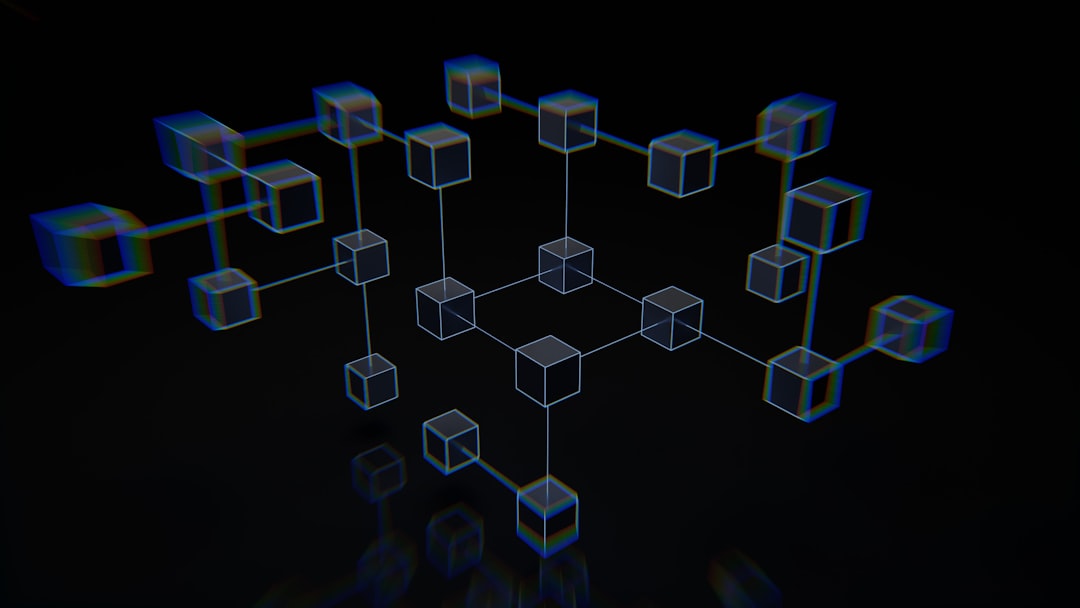
— Quote from the FutureThe future of the internet lies not in centralization, but in distributed networks where power returns to individuals. Decentralization is not just technology—it is a paradigm shift in how we trust, connect, and collaborate.
Deep dive into how distributed networks operate, from peer-to-peer protocols to consensus mechanisms that power modern blockchain systems.
Understand cryptographic foundations, security models, and best practices for maintaining integrity in decentralized environments.
Learn how self-executing contracts work, their applications across industries, and the programming languages that bring them to life.
Explore the evolution from Web2 to Web3, decentralized applications, and how the internet is being rebuilt on trustless protocols.
Grasp tokenomics, digital currencies, and economic models that govern value exchange in decentralized networks.
Discover DAO structures, voting mechanisms, and how communities make collective decisions without centralized authority.
Explore the core principles of blockchain technology, from hash functions to distributed ledgers, and understand why immutability matters.
Read Article
Understand Proof of Work, Proof of Stake, and emerging consensus protocols that enable trustless coordination across distributed systems.
Read Article
Learn the architecture patterns, development tools, and best practices for creating dApps that leverage blockchain infrastructure.
Read ArticleAt Notechors, we believe education is the foundation of technological adoption. We demystify complex decentralized systems through clear explanations, practical examples, and comprehensive tutorials that empower learners at every level.
Centralized systems concentrate power, creating single points of failure and control. Decentralized networks distribute authority, enhance resilience, protect privacy, and create more equitable digital ecosystems where users maintain sovereignty over their data and assets.